Meaning Making Through Ayahuasca
Ayahuasca History & Indigenous Significance
Ayahuasca is a psychoactive Amazonian herbal tea most commonly prepared by combining the vine Banisteriopsis caapi with a DMT-containing plant and sometimes other such herbs (Ruffell et al. 2023). Banisteriopsis caapi makes the DMT orally active, producing an intense altered state that can include vivid visions, stored memory recall, strong emotions, and embodied sensations such as purging which is often interpreted as a sort of spiritual cleansing or exorcism (Ruffell et al. 2023). Historically, ayahuasca was and still is used by West Amazonian Indigenous peoples for religious purposes (Malcolm et al. 2018). In Indigenous religious life, ayahuasca is treated not as a “drug” but as a sacrament, a goddess, a teacher and a medicine known as Mama Ayahuasca, The Mother Plant or the Great Goddess (Vakulenko, 2026). She is treated as a living being, or even as the Great Mother Goddess herself, who works through the means of the sacred plants used in ayahuasca (Vakulenko, 2026). Ayahuasca is embedded in indigenous Amazonian cosmology, community ritual, and relationships with the natural and spiritual worlds (Malcolm et al. 2018).
Over the past three decades, ayahuasca has become a significant substance among United States citizens and Europeans seeking spiritual growth, healing, and meaning (Labate et al. 2014). This phenomenon is often described as the “globalization” of ayahuasca (Tupper, 2008). Anthropological and sociological research documents how indigenous Amazonian ceremonial practices have been adapted into modern shamanic practices, syncretic churches, and wellness retreat centers outside of their original indigenous context across North America and Europe (Labate et al. 2014; Tupper, 2008). Westerners routinely reframe ayahuasca as a type of therapy for self actualization, often completely disregarding the indigenous cosmology and culture behind ayahuasca (Labate et al. 2011). This raises questions about cultural appropriation, commodification, and ethical use. Ayahuasca’s growing prominence in Western spaces reflects both an expanding interest in spiritual healing and a complex intercultural exchange between indigenous religious traditions and contemporary psychedelic spirituality, one which reflects the continued colonization of indigenous cultures and practices (Labate et al. 2014).
Amazonian Ayahuasca in Kentucky
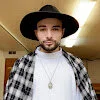
In the former laundromat of a Kentucky trailer park, former bank robber Steve Hupp and his wife run a shamanic healing “church” with ayahuasca as its central sacrament. Before becoming a shamanic healer, Hupp was a career criminal and bank robber who ended up serving time in federal prison (Evans, 2018). During his incarceration, he shared a cell with a Peruvian shaman, an encounter that would radically change his worldview. After his release from prison, Hupp received a mysterious package containing ayahuasca (Evans, 2018). Eventually he began studying ayahuasca and started facilitating ceremonies where he invites people of diverse backgrounds to come and confront deep emotional issues such as trauma, addiction, and depression using ayahuasca (Evans, 2018). His work has been extensively documented through a TV documentary series on Vice News called Kentucky Ayahuasca where he and his team guide participants through multi day ayahuasca retreats aimed at emotional healing and personal insight (Evans, 2018).
In a recent episode of this TV documentary, a transgender woman engages in a ceremony with Hupp, using the experience as a means to confront internalized shame, emotional pain, and barriers to self love and acceptance (VICE TV, 2025). In the episode the viewers get to see how shaman Hupp and his team conduct ayahuasca ceremonies. The ceremony consists of a multi day retreat in which Hupp and participants take ayahuasca and engage in talk therapy, mindfulness exercises, and art therapy with Hupp and his team under ayahuasca’s influence (VICE TV, 2025). Hupp argues that ayahuasca offers a fast track to healing, doing in one retreat what clinical therapy can take years to accomplish (VICE TV, 2025).
From a clinical perspective, it is interesting to watch Hupp use therapeutic interventions in individual and group settings with his clients. Most of the interventions he uses are similar to what any clinician would use. The major difference being that he and his clients do all this work under the influence of ayahuasca. Likewise, Hupp uses spiritual practices such as intention setting, prayer, sigil making, and ritualized story telling. These techniques parallel established therapeutic practices such as psychodynamic exploration, cognitive reframing, and mindfulness based interventions. However, unlike licensed clinicians who are trained to help clients balance emotional exposure and confrontation with emotional stabilization and grounding before trauma processing, Hupp facilitates these interventions while participants are in an altered and highly vulnerable psychological state induced by ayahuasca.
Notably, the tv documentary only shows the effects of ayahuasca on Hupp’s clients immediately after their retreat. We do not see the long term effects of the ayahuasca on the clients’ mental health. Psychedelic experiences can be psychologically intense and can bring about difficult and destabilizing aftereffects. Large scale survey work on ayahuasca users has reported that adverse mental health effects can occur within weeks and even months following use, with many participants interpreting them as part of growth, and some seeking professional support afterward (Bouso et al. 2022). Clinical therapy is licensed, regulated, supervised, and governed by enforceable ethics codes. In contrast, Hupp’s work is unregulated and operates in a legal grey area.
Hupp’s work is a spiritually framed intervention that can and seemingly has generated genuine meaning and emotional breakthrough for his clients. But his work also raises ethical questions about safety, informed consent, and continuity of care. While clinical literature does suggest that psychedelics can be beneficial, this is only under rigorous safeguards in controlled settings, which is not what Hupp is offering (Johnson et al. 2008). Hupp’s ceremonies may look like therapy and use therapeutic frameworks, consciously or unconsciously, but they are not therapy in the clinical sense.
Psychedelics & Social Work
The growing use of psychedelics such as ayahuasca presents both opportunities and ethical challenges for social work practice. On the one hand, clinical research suggests that, when administered in carefully controlled settings with medical screening, preparation, supervised dosing, and structured integration, psychedelics may have therapeutic potential for helping with conditions such as depression, PTSD, and substance use disorders (Johnson et al. 2008). On the other hand, psychedelics used recreationally and in wellness spaces have reportedly had adverse mental health effects on clients within the weeks and months following use (Bouso et al. 2022). It is important for social workers to distinguish between the clinical use of psychedelics and unregulated ceremonial or recreational use that lacks safeguards.
As social workers engage with clients using psychedelics, a harm reduction and integrative approach can help clinicians understand why a client uses and what their experience with psychedelics are. Rather than demoralizing or dismissing clients’ experiences, social workers can assess a clients’ psychedelic use in a nonjudgmental manner, provide psychoeducation regarding the psychological and medical risks, and offer post psychedelic use integration support. Integration support can involve helping clients process meaning making experiences, resurfaced trauma memories, or identity shifts in a grounded and trauma informed way. This approach aligns with the social work value of client self determination while simultaneously prioritizing client safety and stabilization (NASW, 2021). Additionally, social workers should remain aware of the cultural and ethical dilemmas of psychedelic globalization. A justice oriented perspective can help social workers cultivate cultural humility, recognition of Indigenous sovereignty, and critical reflection on how colonial dynamics may persist within contemporary psychedelic movements, on a personal, client, and policy level.
Conclusion
Ayahuasca represents far more than a psychoactive substance; it is a sacred medicine embedded within indigenous significances that long predate its modern colonization. As ayahuasca use becomes more prevalent in Western wellness spaces, it becomes reframed as a tool for self actualization. This narrative often obscures its cultural origins and ethical complexities. The case of Steve Hupp’s Kentucky ayahuasca ceremonies illustrates both the profound meaning making potential clients may experience and the significant risks that arise when psychedelics like ayahuasca are used outside of regulated clinical settings or their original indigenous context. While psychedelics may hold therapeutic potential in controlled settings, unregulated use carries documented psychological risks and raises questions about safety, informed consent, and continuity of care. For social workers, the path forward is neither a path of full endorsement nor of complete dismissal, but a balanced, ethically grounded response rooted in harm reduction, cultural humility, trauma informed care, and adherence to our Code of Ethics.
Citations
Bouso, J. C., Andión, Ó., Sarris, J. J., Scheidegger, M., Tófoli, L. F., Opaleye, E. S., Schubert, V., & Perkins, D. (2022). Adverse effects of ayahuasca: Results from the Global Ayahuasca Survey. PLOS global public health. https://doi.org/10.1371/journal.pgph.0000438
Evans, T. (2018, December 20). Kentucky Ayahuasca: How former bank robber Steve Hupp became trailer park shaman. The Courier-Journal. https://www.courier-journal.com/story/news/local/2018/12/20/kentucky-ayahuasca-how-former-bank-robber-steve-hupp-became-trailer-park-shaman/2339681002/
Johnson, M., Richards, W., & Griffiths, R. (2008). Human hallucinogen research: guidelines for safety. Journal of psychopharmacology (Oxford, England). https://doi.org/10.1177/0269881108093587
Labate, B. C., & Cavnar, C. (Eds.). (2014). The therapeutic use of ayahuasca. Springer.
https://link.springer.com/book/10.1007/978-3-642-40426-9
Labate, B. C., & Jungaberle, H. (Eds.). (2011). The internationalization of ayahuasca. LIT Verlag. https://www.researchgate.net/publication/314151379_The_Internationalization_of_Ayahuasca
Malcolm, B. J., & Lee, K. C. (2018). Ayahuasca: An ancient sacrament for treatment of contemporary psychiatric illness?. The mental health clinician. https://doi.org/10.9740/mhc.2017.01.039
National Association of Social Workers. (2021). Code of ethics of the National Association of Social Workers. https://www.socialworkers.org/About/Ethics/Code-of-Ethics/Code-of-Ethics-English
Ruffell, S. G. D., Crosland-Wood, M., Palmer, R., Netzband, N., Tsang, W., Weiss, B., Gandy, S., Cowley-Court, T., Halman, A., McHerron, D., Jong, A., Kennedy, T., White, E., Perkins, D., Terhune, D. B., & Sarris, J. (2023). Ayahuasca: A review of historical, pharmacological, and therapeutic aspects. PCN reports : psychiatry and clinical neurosciences. https://doi.org/10.1002/pcn5.146
Tupper K. W. (2008). The globalization of ayahuasca: harm reduction or benefit maximization?. The International journal on drug policy. https://doi.org/10.1016/j.drugpo.2006.11.001
Vakulenko, K. (2026, January 30). ABOUT2 - Maha devi ayahuasca. Maha Devi Ayahuasca. https://mahadeviayahuasca.com/about-us/
VICE TV. (2025) Self-Love & Acceptance | Kentucky Ayahuasca | VICE Vault [Video]. YouTube. https://www.youtube.com/watch?v=ppah1OjCjCw